

Querétaro is home to one of the fastest-growing cities in Mexico. Still, just outside the “big city” you’ll find the entrance to the Sierra Gorda mountains — a growing wine region and farmland stretching over green hillsides. Roads are lined with cornfields, hot houses, and grazing animals watched over by the stereotypical cowboy.
The surrounding hills and mountains provide a beautiful backdrop for herds of goats sauntering through the fields to find the most succulent blades of grass to munch on. Today, we’re focusing on one of life’s ultimate pleasures produced by these farm animals: cheese from Querétaro, Mexico.
Disclosure: Some links may be affiliate links where we receive a super-small commission at no additional cost to you if you click through and make a purchase.

Types of Mexican Cheese
Many Mexican cheeses are young and mild in flavor, and some melt beautifully.
Queso fresco is the crumbly cheese used to garnish moles or guacamole. Oaxaca and asadero cheeses are semi-firm and melt well in quesadillas, enchiladas, or over pasta dishes as a mozzarella substitute. Manchego cheese is also popular here, but unlike its Spanish counterpart, Mexican manchego is made with a combination of cow and goat milk instead of sheep milk.

We buy asadero cheese most often for everyday cooking, but nothing beats a good plate of artisan cheese, bread, and sparkling cava.
Querétaro is home to fantastic artisan cheese producers, and their attention to detail and craftsmanship can be tasted in every bite. Cows, sheep, and goats graze side by side in pastures along the highways, while cowboys and ranch dogs work to keep the herds within their territory. Even our own suburban neighborhood has the occasional wandering cow.
Did You Know?
As Americans, we tend to associate milk with cows, but goat’s milk is actually the most widely consumed milk on the planet. For many developing countries, goats are easier to keep since they’re smaller and less picky eaters.

Benefits of Goat’s Milk, Yogurt, and Cheese
Goat’s milk cheese is the most widely made cheese in Querétaro. Try cajeta, the goat’s milk caramel this region is known for.
Goat’s milk offers several benefits: it’s packed with vitamins and minerals like potassium, calcium, and Vitamin A. It also contains more easily digestible proteins than cow’s milk and lower lactose levels. Some people allergic to cow’s milk may tolerate goat’s milk better, according to WebMD. Since we’re not doctors and can’t give medical advice, it’s best to check with your own physician if you have a milk allergy.
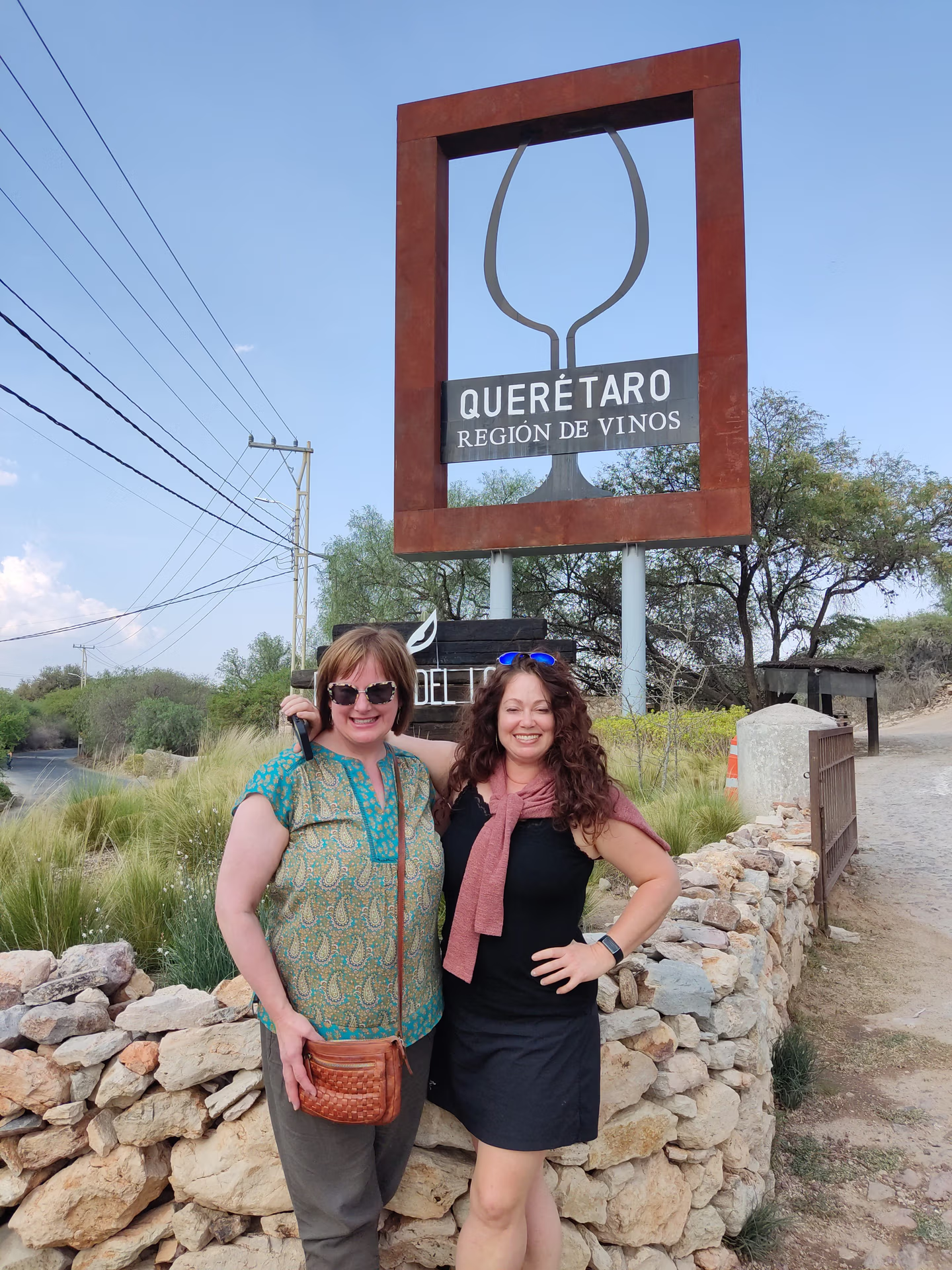
Ruta del Arte, Queso y Vino
The Ruta del Arte, Queso y Vino association of Querétaro promotes several dairy farms across the state. Some are small artisan operations, and others are sprawling cattle farms. You might prefer large-scale production or small-batch cheese making. Either way, you’ll taste excellent cheese. You’ll also get a unique look into the daily life of a Querétaro cheese farmer at some locations.
Cow Cheese Producers
Flor de Alfalfa
Flor de Alfalfa cheese is easy to find at local grocery stores throughout the state. The farm makes its cheese from cow’s milk. Its tour takes you through the pastures to see the cows grazing. Then you walk through the production facility and learn how the cheese is made. At the end, guides lead you to a large covered gazebo, where you taste five of their cheeses.
The drawbacks of this farm are that the tours are only offered in Spanish, and they wait for several busloads to arrive before running a tour for around 150 people at once. We buy their Queso Asadero most often for quesadillas, nachos, and pasta dishes, and love their Botanero Chipotle and Botanero Jalapeño cheeses for a spicy kick.
Cava Bocanegra and Neole Cheese
Cava Bocanegra is a favorite of ours. As you drive in, an impressive two-story building greets you. It could easily pass for a winery. Inside, the staff beautifully displays local products like honey, rompope, and jams. A large cheese case sits on one side of the room under the Neole label. The owners chose to keep cheese production separate from their other ventures, which carry the Cava Bocanegra brand. On the other side, a bar made out of shipping containers serves its wines and craft beers.

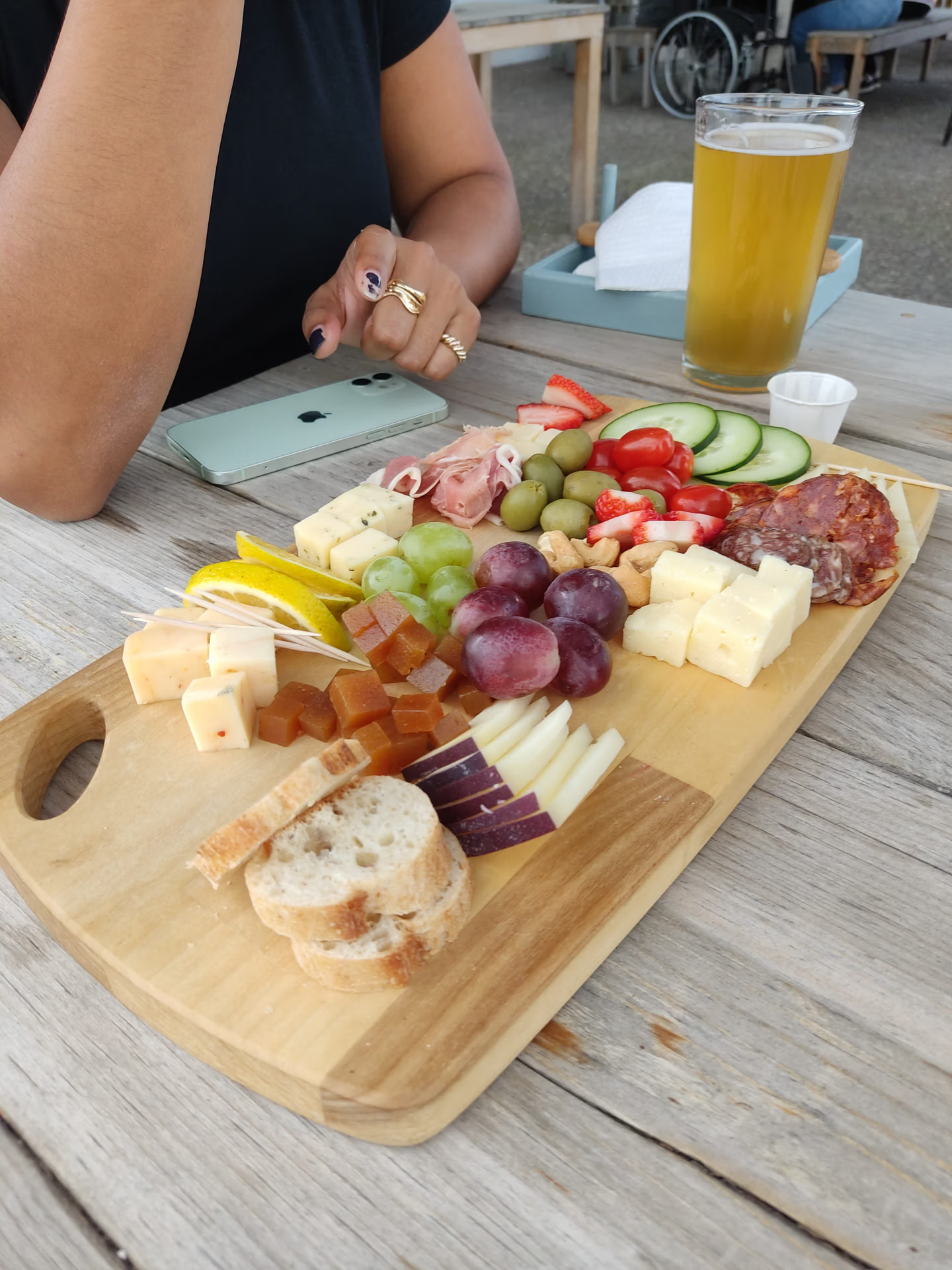
Out on the back terrace, large picnic tables let groups sample six cheeses paired with beer or wine. The space accommodates both large and small tours, and the tour itself takes you into the cellar to see the cheeses aging. Afterward, dine at the second-floor restaurant with views over the vineyards.

There’s also a smaller Neole Quesería shop closer to the entrance of Tequisquiapan if you’d rather just stop in and grab some cheese to go.
Note: Animals are not kept on-site at either location.
Cow and Sheep Cheese Producers
Finca VAI
What looks like a one-story ranch shop off the highway is actually a sprawling facility. It has tasting rooms, an outdoor restaurant, a brewery, and an animal farm. Start with a tour to meet the animals. Taste a few cheeses at the end of your tour in a green oasis. Then finish with pizza and local wine or beer overlooking the gardens. Finca VAI produces more cheese than any other operation in the state.

Goat Cheese Farms
La Biquette
Veterinarian Isabel Estévez loves goats so much that she started her own farm, producing French-style goat cheese just outside Tequisquiapan. She raises French Alpine and Toggenburg goats — and fittingly, La Biquette means “goat” in French.
The farm itself sits 10 km from the cheese shop and isn’t open to the public, but Isabel gave us a special behind-the-scenes tour to meet the goats. She explained how she rotates milking females through their natural cycle to keep a steady supply for cheesemaking. The goats are hormone-free, feeding on alfalfa and natural grasses.
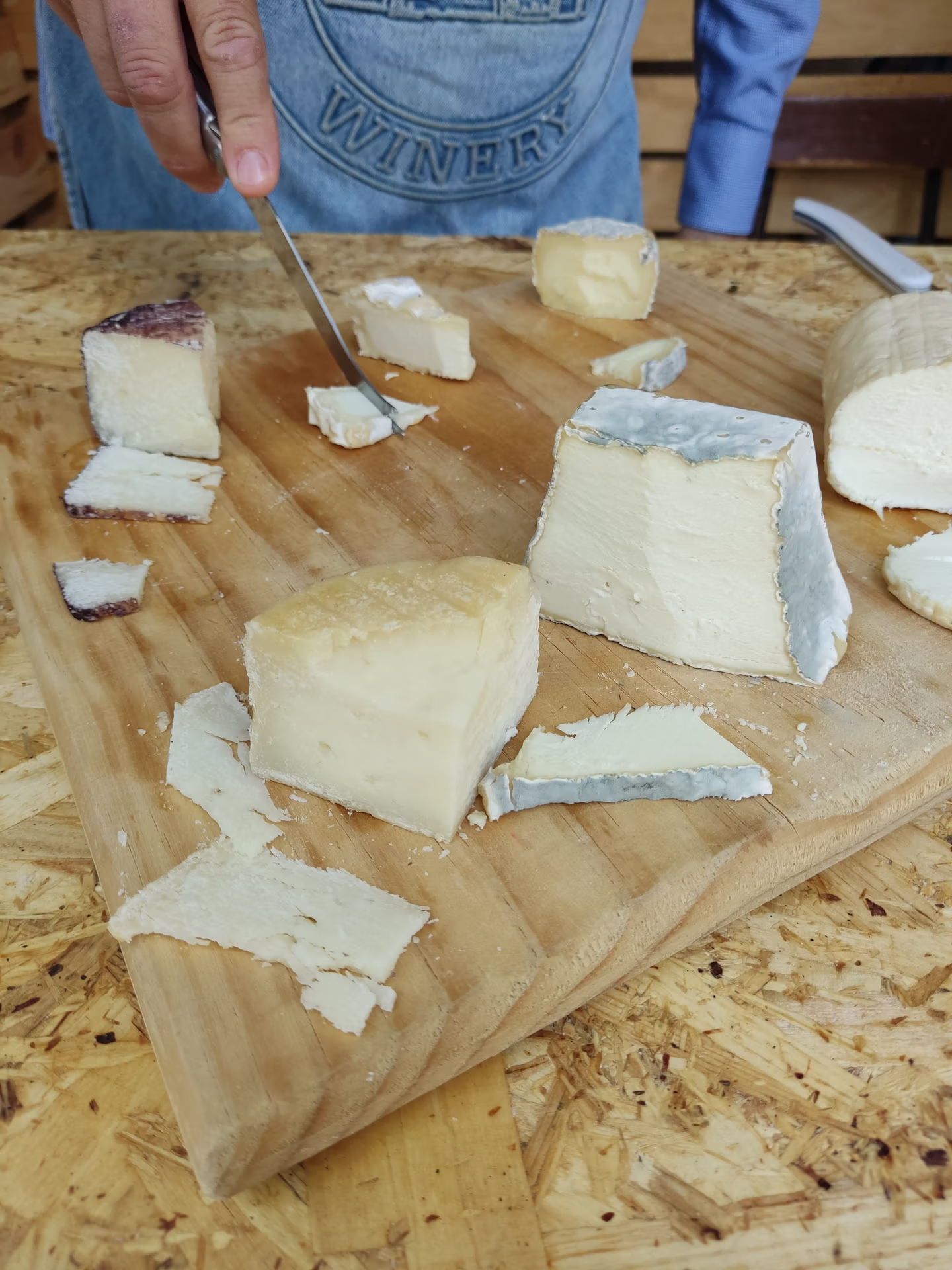
You can watch the cheesemaking process through a glass window at her small shop on the highway between Bernal and Tequisquiapan. Of all the cheese tastings we’ve done in the region, La Biquette has had the best lineup, from fresh to aged — don’t skip the Camembert.
Cheese Tasting in Querétaro
Some of these cheese producers make an easy stop on the way to the pueblo mágico of Tequisquiapan. We can customize a tour to taste some of the cheese of Querétaro.
The following dairies sit a bit further off the Ruta del Arte, Queso y Vino, but they’re worth mentioning. We haven’t visited them ourselves yet, but we’ve included them here to give you the fullest picture of Querétaro’s dairy scene, and what to look for at an artisanal cheese shop.
Goat Cheese Farm
La Grande Chèvre
La Grande Chèvre began making goat’s milk cajeta caramel in the 1980s before shifting to 100% French-technique goat cheese to serve the region’s growing population of European tourists and expats. It’s one of the oldest dairy farms in Querétaro.
Goat and Sheep Cheese Farm
Rancho Santa Marina
Rancho Santa Marina is a family-owned farm that specializes in goat and sheep milk production. Its tours let you spend time with the animals and watch the herding and milking process. Afterward, you taste the farm’s cheese alongside its own natural wine and fresh-baked bread.
Sheep Cheese Farms
Pradales and Rancho San Josemaría sit along a small road south of Querétaro in Huimilpan. Rancho San Josemaría holds the title of most-awarded artisan craft cheese producer in all of Latin America. Both specialize in sheep’s milk cheese and can be visited by reservation.
We hope this guide to the cheese farms of Querétaro inspires you to explore beyond the city’s historical sites. Querétaro has so much to offer both tourists and locals alike. For more things to see, do, and taste around the region, check out our Day Tours in Queretaro or Day Tours in San Miguel de Allende.